Cat Training Blog

Thinking about a new kitten?

Bringing home a kitten? Start with the supplies and everyday routines below. When you are ready to introduce new experiences, explore our gentle kitten handling guide, carrier and transport tips, and cat and kitten socialization visits in Rochester Hills.

  1. Make sure you have all the necessary supplies before bringing your kitten home. This includes a litter box, litter, a scratching post, a cat tree, a bed or crate, food and water dishes, and food.
  2. Kittens need to eat frequently, so make sure to have a consistent feeding schedule. It’s recommended to feed them high-quality kitten food, either wet or dry, and make sure they have a calm area away from the litter box to eat at.
  3. Kittens should have access to clean water at all times. Keep at least two water dishes available at all times. Check and refill the water dishes daily.
  4. Litter training should begin as soon as your kitten comes home. Place the litter box in a quiet, easily accessible location and encourage your kitten to use it by placing them in the box after meals and play sessions.
  5. Kittens have a lot of energy and will need plenty of playtime. Provide toys for them to play with, such as balls, string toys, laser pointers, cat trees, and scratching posts. This will help them burn off energy and prevent them from getting into mischief.
  6. Kittens are very curious and will want to explore their surroundings, so it’s important to kitten-proof your home. This means securing any potential dangers, such as toxic household plants, cords, and small objects that could be ingested.
  7. Kittens need to be groomed regularly to keep their coat healthy and free of tangles. Brush your kitten’s coat at least once a week and trim their nails as needed. Do this more often when they are under 3 months to “socialize” them to being brushed.
  8. Kittens should be seen by a veterinarian regularly to ensure they are healthy and up to date on vaccinations. It’s important to follow a vaccination schedule recommended by your vet and helps to socialize them to future vet visits.
  9. Cats are prone to developing dental problems later in life, so it’s important to brush their teeth regularly as a kitten to keep their teeth and gums healthy and get them used to the process. This should be done at least once a week using a toothbrush and toothpaste specifically formulated for cats. *Do this more often when they are under 3 months to “socialize” them to also being brushed.
  10. Kittens can be trained. Think about clicker training your cat. You can even teach your cat to talk with special buttons they can learn to press.
  11. Most importantly, give your kitten lots of love and attention! Socialization with a variety of situations and interaction with their owners is very important.

Thinking about a new kitten? Read More »
Cat Weight Management: Food and Portions

Helping a cat reach a healthy weight starts with a plan that suits that individual cat. Ask your veterinarian to assess body condition, set a target weight and recommend daily food portions.

Food and portions both matter

Switching to canned food is not a guaranteed weight-loss solution. Your veterinarian can help choose a suitable food and measured meals, including treats, for your cat’s needs.

Make changes gradually

Avoid crash diets or withholding food. Cornell’s Feline Health Center recommends veterinary supervision and gradual weight loss; sudden starvation can cause serious illness. Track progress with your veterinarian and contact them promptly if your cat stops eating.

Read more from the Cornell Feline Health Center on feline obesity.

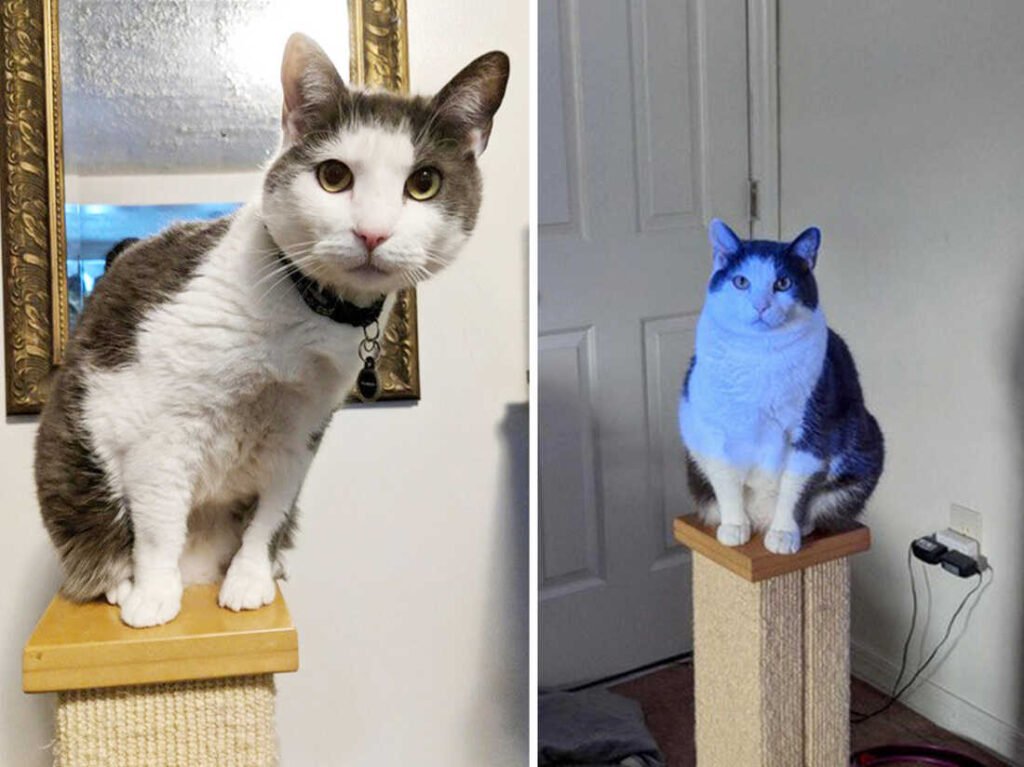
Before-and-after photographs of a cat's weight change

Planning a boarding stay

Tell us about your cat’s feeding instructions before booking. Cats needing a strict individual diet should use private accommodation rather than the Group Room, where food is shared.

Cat Weight Management: Food and Portions Read More »

Cat Clicker Training Basics

Cats can learn through positive reinforcement. Clicker training uses a consistent sound to mark the behavior you want to reward.

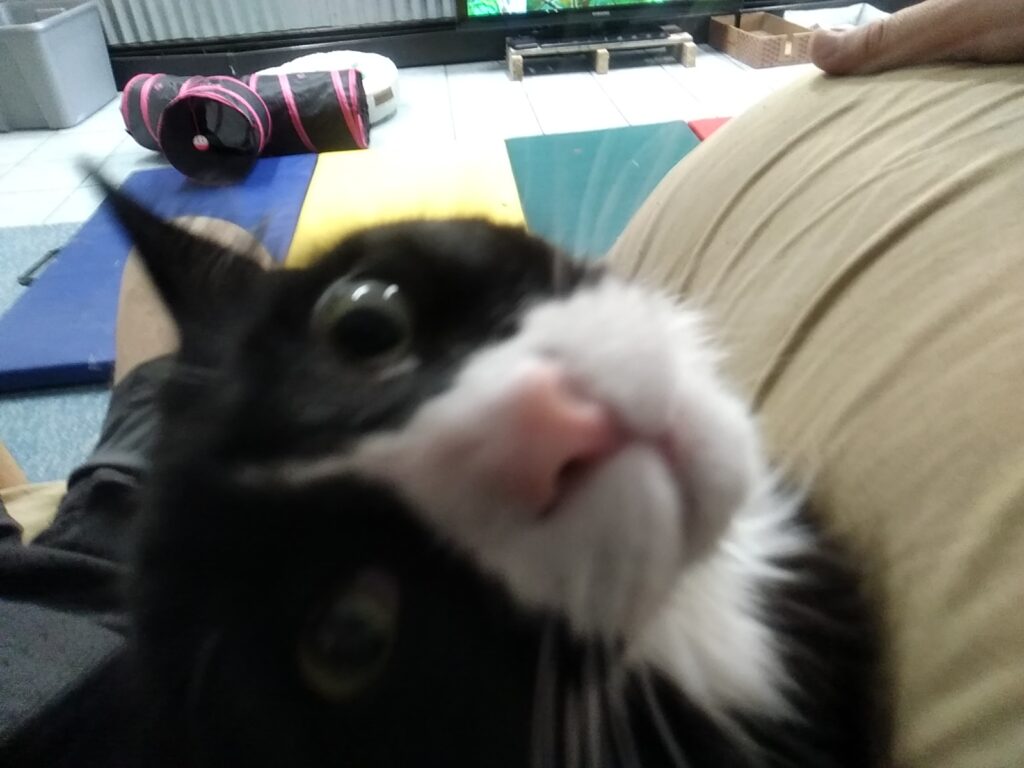
Black-and-white cat looking up from a person’s lap

Can you train a cat?

Well can you train a cat? Yes. Of course you can train a cat. In fact a cat can easily be trained with clicker training just like a dog …or whale ….or lion or tiger ….and bears oh my…….So what am I saying? If you want to train your cat… or your dog or any animal…yes it works on people….learn the basics of clicker training. What is clicker training? It is simply teaching your pet when you like something and helping them learn to associate a word with a desired action. Putting it into practice …takes well…practice… but learning clicker training either with a experienced clicker trainer or with a training guide, system, or steps that shape the behaviors, can allow you to teach a animal to do tricks like you see at zoos, aquariums or on TV….And yes pee and poop on command. All without shock collars or pain. Just takes science.

Clicker training myths:

My pet will always need food to be good….100% FALSE. The food is just a reinforcement and is phased out and you won’t always need the clicker either. That being said it is still good to give your pet food as a treat once in a while when they do something you asked them to do (even if you don’t clicker train, if you ask your pet to do something reward them once in a while).

I should click at my pet A LOT if they are bad.…100% false, too often I see people with a clicker and they use it to “annoy” the pet when they do something the owner doesn’t like. This is just not the way clicker training works. EVERY time you click, your pet receives at least 1 small, or even tiny, food treat.

Keep sessions short and reward voluntary participation. For help with fear, aggression or other behavior concerns, speak with your veterinarian or a qualified feline behavior professional. Learn about our cat and kitten socialization visits.

Cat Clicker Training Basics Read More »

A welcome gift for new clients

A little catnip, on us.

Take a tour or book your first stay and receive a free bottle of catnip spray when you arrive.

Request a Friday tourBook your first stay
New clients only. One bottle per household, collected at your tour or first-stay arrival. Subject to availability.